Diwali Wishes in Hindi: 48 Greetings in Devanagari, With Pronunciation and Meaning
48 Diwali wishes in Hindi, each with Roman pronunciation and English meaning, for elders, friends, partners and work, plus the 2026 dates and real poems.
By GreetingBirds EditorsPublished October 10, 202615 min read
"Happy Diwali" in Hindi is दीपावली की हार्दिक शुभकामनाएँ (Deepawali ki hardik shubhkamnayein), meaning "heartfelt good wishes for Diwali." The short form is शुभ दीपावली (Shubh Deepawali), "auspicious Diwali," and most people under 40 simply write हैप्पी दिवाली. In 2026 the main night, Lakshmi Puja, is Sunday, November 8.
This page is a small phrasebook. Every wish below is written in Devanagari, then in Roman letters so you can say it out loud, then in plain English so you know exactly what you're sending. All 48 were written by our editors for this page. The three lines of poetry and scripture near the end are real, and we say where each one comes from.
The five phrases that do most of the work
Almost every Hindi Diwali message is built from one of these. If you only learn one, learn the first.
| Hindi (say it like this) | What it means and when to use it |
|---|---|
| दीपावली की हार्दिक शुभकामनाएँ Dee-paa-va-lee kee haar-dik shubh-kaam-naa-yein | "Heartfelt good wishes for Diwali." Fits everyone: elders, your boss, a card, a speech. |
| शुभ दीपावली Shubh Dee-paa-va-lee | "Auspicious Diwali." Short, warm, a little formal. Good on a card or a gift tag. |
| हैप्पी दिवाली Happy Diwali | The English phrase in Hindi letters. Friendly and very common in texts. |
| दिवाली मुबारक Di-waa-lee mu-baa-rak | Mubarak ("blessed, congratulations") comes from Urdu. Casual and friendly, common in North India. |
| दीपोत्सव की मंगलकामनाएँ Dee-pot-sav kee man-gal-kaam-naa-yein | "Auspicious wishes for the festival of lamps." The most formal one, for printed cards and letters. |
Two words worth knowing. Shubh (शुभ) means auspicious or good. The "bh" is one breathy sound, so it's not "shub." Shubhkamnayein is just "good wishes," the plural of shubhkamna. You'll see it spelled शुभकामनाएँ and शुभकामनाएं. Both are correct; the first uses the older, fuller nasal mark.
आप, तुम or तू? Pick the right "you" first
Hindi has three words for "you," and choosing one sets the tone of the whole message before you've said anything about lamps or sweets.
आप (aap) is respectful. Use it for parents and grandparents (in most families), in-laws, teachers, your manager and clients. When in doubt, use aap. Nobody is offended by too much respect.
तुम (tum) is warm and familiar. Use it for friends, siblings, your partner, and cousins your own age.
तू (tu) is very intimate or very casual, between best friends or with small children. It can sound rude in writing, so we've left it out of this page.
One more thing that trips up learners: Hindi verbs change with the speaker's gender. "I am lighting" is जला रहा हूँ (jala raha hoon) for a man and जला रही हूँ (jala rahi hoon) for a woman. Where a wish below has an "I" verb, we give both forms.
For parents, grandparents and other elders
These use aap and usually mention blessings (आशीर्वाद, aashirvaad) or the whole family. Adding जी (ji) after a name or relation, as in दादी जी, makes any line more respectful.
- आपको और पूरे परिवार को दीपावली की हार्दिक शुभकामनाएँ। आपका आशीर्वाद हमेशा हम पर बना रहे।
Aapko aur poore parivaar ko Deepawali ki hardik shubhkamnayein. Aapka aashirvaad hamesha hum par bana rahe.
Heartfelt Diwali wishes to you and the whole family. May your blessings always stay with us. - माँ-पापा, दीपावली की ढेर सारी शुभकामनाएँ। आपके बिना कोई भी त्योहार पूरा नहीं होता।
Maa-Papa, Deepawali ki dher saari shubhkamnayein. Aapke bina koi bhi tyohaar poora nahin hota.
Mom and Dad, lots and lots of Diwali wishes. No festival is complete without you. - दादी जी, दिवाली पर आपको प्रणाम। आपके हाथ के लड्डुओं का इंतज़ार है!
Daadi ji, Diwali par aapko pranaam. Aapke haath ke ladduon ka intezaar hai!
Grandma, my respects to you this Diwali. I'm waiting for your homemade laddoos! - माँ लक्ष्मी आपके घर सुख, शांति और समृद्धि लेकर आएँ। शुभ दीपावली।
Maa Lakshmi aapke ghar sukh, shaanti aur samriddhi lekar aayein. Shubh Deepawali.
May Goddess Lakshmi bring happiness, peace and prosperity to your home. Happy Diwali. - इस दीपावली आपका स्वास्थ्य अच्छा रहे और घर में हमेशा रौनक बनी रहे।
Is Deepawali aapka swasthya achchha rahe aur ghar mein hamesha raunak bani rahe.
This Diwali, may you stay healthy and may your home always be full of life. - चाचा जी, चाची जी, आपको सपरिवार दीपावली की मंगलकामनाएँ।
Chacha ji, Chachi ji, aapko saparivaar Deepawali ki mangalkamnayein.
Uncle, Aunt, auspicious Diwali wishes to you and the whole family. - दूर हूँ, पर दिल से आपके साथ दीया जला रहा हूँ (जला रही हूँ)। दीपावली की शुभकामनाएँ।
Door hoon, par dil se aapke saath diya jala raha hoon (jala rahi hoon). Deepawali ki shubhkamnayein.
I'm far away, but in my heart I'm lighting a diya with you. Happy Diwali. - आपकी दी हुई सीख हमारे घर का सबसे बड़ा दीया है। हैप्पी दिवाली!
Aapki di hui seekh hamaare ghar ka sabse bada diya hai. Happy Diwali!
What you taught us is the biggest lamp in our home. Happy Diwali!
For friends: casual Hindi and Hinglish
With friends you switch to tum, and you can mix in English freely. That mix is called Hinglish, and it's how a lot of people actually text. Teasing about sweets, firecrackers and Diwali card games is fair here.
- हैप्पी दिवाली, यार! मिठाई कम खाना, पटाखे कम जलाना, मस्ती पूरी करना।
Happy Diwali, yaar! Mithai kam khaana, pataakhe kam jalaana, masti poori karna.
Happy Diwali, buddy! Go easy on the sweets and the firecrackers, but not on the fun. - तुम्हारी ज़िंदगी दीयों जैसी रोशन और रंगोली जैसी रंगीन रहे। शुभ दिवाली!
Tumhaari zindagi diyon jaisi roshan aur rangoli jaisi rangeen rahe. Shubh Diwali!
May your life stay as bright as the diyas and as colorful as a rangoli. - इस दिवाली ताश की बाज़ी तुम्हारे नाम, पर मिठाई का डिब्बा मेरे नाम!
Is Diwali taash ki baazi tumhaare naam, par mithai ka dibba mere naam!
This Diwali you can win at cards, but the box of sweets is mine! - दिवाली की बहुत सारी शुभकामनाएँ, भाई! इस साल सब सेट हो जाए।
Diwali ki bahut saari shubhkamnayein, bhai! Is saal sab set ho jaaye.
Loads of Diwali wishes, bro! Hope everything falls into place this year. - दोस्ती की रोशनी कभी कम न हो। दिवाली मुबारक!
Dosti ki roshni kabhi kam na ho. Diwali mubaarak!
May the light of our friendship never fade. Happy Diwali! - काजू कतली बचाकर रखी है, जल्दी आ जाओ! हैप्पी दिवाली।
Kaju katli bachaakar rakhi hai, jaldi aa jao! Happy Diwali.
I've saved you some kaju katli, come over soon! Happy Diwali. - नई उम्मीदें, नए सपने, और वही पुराने दोस्त। शुभ दीपावली!
Nayi ummeedein, naye sapne, aur wahi puraane dost. Shubh Deepawali!
New hopes, new dreams, and the same old friends. Happy Diwali! - दूर हो तो क्या, वीडियो कॉल पर फुलझड़ी तो दिखा ही सकते हैं!
Door ho to kya, video call par phuljhadi to dikha hi sakte hain!
So what if we're far apart? We can still show each other our sparklers on a video call!
For brothers and sisters, with Bhai Dooj in mind
Bhai Dooj (भाई दूज) closes the five days of Diwali. Sisters put a tilak on their brothers' foreheads, and brothers give a gift in return. In 2026 it falls on Tuesday, November 10, so one message can cover both days.
- मेरे प्यारे भाई, दीपावली और भाई दूज की ढेर सारी शुभकामनाएँ। तिलक के लिए तैयार रहना!
Mere pyaare bhai, Deepawali aur Bhai Dooj ki dher saari shubhkamnayein. Tilak ke liye taiyaar rehna!
My dear brother, lots of Diwali and Bhai Dooj wishes. Be ready for your tilak! - दीदी, तुम्हारे बिना दिवाली की रौनक आधी है। जल्दी घर आओ।
Didi, tumhaare bina Diwali ki raunak aadhi hai. Jaldi ghar aao.
Big sister, Diwali is only half as lively without you. Come home soon. - छोटी बहना, इस बार तोहफ़ा पहले से तैयार है, बस तुम्हारी मुस्कान चाहिए।
Chhoti behna, is baar tohfa pehle se taiyaar hai, bas tumhaari muskaan chahiye.
Little sis, this time your gift is ready early. All I need is your smile. - भाई दूज पर बस यही दुआ है: तुम हमेशा खुश रहो, और मेरी मिठाई कभी न चुराओ!
Bhai Dooj par bas yahi dua hai: tum hamesha khush raho, aur meri mithai kabhi na churao!
My only Bhai Dooj prayer: be happy always, and never steal my sweets! - भाई-बहन का रिश्ता दीये की लौ जैसा है: छोटा, पर हमेशा रोशन। शुभ भाई दूज।
Bhai-behen ka rishta diye ki lau jaisa hai: chhota, par hamesha roshan. Shubh Bhai Dooj.
A brother-sister bond is like a diya's flame: small, but always bright. Happy Bhai Dooj. - रंगोली मिलकर बनाएँगे, दीये मिलकर सजाएँगे। हैप्पी दिवाली!
Rangoli milkar banaayenge, diye milkar sajaayenge. Happy Diwali!
We'll make the rangoli together and set out the diyas together. Happy Diwali!
For a husband, wife or partner
Romantic Hindi borrows a lot from film songs and Urdu poetry. Words like जान (jaan, "my life") and दुआ (dua, "prayer") are normal here, not over the top.
- तुम्हारे साथ हर दिन दिवाली है, पर आज के दीये कुछ ख़ास हैं।
Tumhaare saath har din Diwali hai, par aaj ke diye kuch khaas hain.
Every day with you is Diwali, but tonight's lamps are a little more special. - मेरी ज़िंदगी की सबसे सुंदर रोशनी तुम हो। हैप्पी दिवाली, जान।
Meri zindagi ki sabse sundar roshni tum ho. Happy Diwali, jaan.
You're the most beautiful light in my life. Happy Diwali, my love. - इस दिवाली बस एक दुआ: हमारा घर ऐसे ही हँसी से जगमगाता रहे।
Is Diwali bas ek dua: hamaara ghar aise hi hansi se jagmagaata rahe.
Just one prayer this Diwali: may our home keep glowing with laughter like this. - लक्ष्मी पूजा तुम्हारे साथ, और पूरा साल भी तुम्हारे साथ। शुभ दीपावली।
Lakshmi Puja tumhaare saath, aur poora saal bhi tumhaare saath. Shubh Deepawali.
Lakshmi Puja with you, and the whole year with you too. Happy Diwali. - दूर हो, पर आज रात पहला दीया तुम्हारे नाम जलाऊँगा (जलाऊँगी)।
Door ho, par aaj raat pehla diya tumhaare naam jalaaunga (jalaaungi).
You're far away, but tonight I'll light the first diya for you. - तुम हो तो हर रात दिवाली है। हैप्पी दिवाली, लव।
Tum ho to har raat Diwali hai. Happy Diwali, love.
With you here, every night is Diwali. Happy Diwali, love.
For colleagues, a boss or clients (formal Hindi)
At work, use aap and words like एवं (evam, a formal "and"), सपरिवार (saparivaar, "with your family") and मंगलकामनाएँ (mangalkamnayein, "auspicious wishes"). They read like a well-written card. If your team mostly texts in English, a short Hindi line still lands well. For English messages to send at work, see our Diwali wishes for team members, bosses and clients.
- आपको एवं आपके परिवार को दीपावली की हार्दिक शुभकामनाएँ।
Aapko evam aapke parivaar ko Deepawali ki hardik shubhkamnayein.
Heartfelt Diwali wishes to you and your family. - सर, आपके मार्गदर्शन के लिए धन्यवाद। आपको सपरिवार शुभ दीपावली।
Sir, aapke maargdarshan ke liye dhanyavaad. Aapko saparivaar Shubh Deepawali.
Sir, thank you for your guidance. A happy Diwali to you and your family. (Use "मैम / Ma'am" for a woman.) - पूरी टीम को दीपावली की शुभकामनाएँ। नया साल नई सफलताएँ लेकर आए।
Poori team ko Deepawali ki shubhkamnayein. Naya saal nayi safaltaayein lekar aaye.
Diwali wishes to the whole team. May the new year bring new successes. - यह दीपावली आपके व्यवसाय में शुभ और लाभ दोनों लेकर आए।
Yah Deepawali aapke vyavasaay mein shubh aur laabh dono lekar aaye.
May this Diwali bring your business both good fortune and profit. - हमारे साथ जुड़े रहने के लिए धन्यवाद। आपको और आपकी टीम को दीपावली की मंगलकामनाएँ।
Hamaare saath jude rehne ke liye dhanyavaad. Aapko aur aapki team ko Deepawali ki mangalkamnayein.
Thank you for staying with us. Best Diwali wishes to you and your team. - दीपावली के इस शुभ अवसर पर आपको सुख, स्वास्थ्य और सफलता की कामना।
Deepawali ke is shubh avsar par aapko sukh, swasthya aur safalta ki kaamna.
On this auspicious occasion of Diwali, wishing you happiness, health and success. - हैप्पी दिवाली, टीम! आज काम हल्का, मिठाई भारी।
Happy Diwali, team! Aaj kaam halka, mithai bhaari.
Happy Diwali, team! Light work today, heavy sweets. (For the office group chat.)
Short lines for WhatsApp, Instagram or a photo
Most "Diwali images in Hindi" people share are just one short rhyming line over a photo of diyas. These are short enough to type over your own picture or use as a status.
- दीप जलें, दिल मिलें। हैप्पी दिवाली!
Deep jalein, dil milein. Happy Diwali!
May lamps be lit and hearts meet. - रोशनी आपकी, मिठास आपकी, शुभकामनाएँ हमारी।
Roshni aapki, mithaas aapki, shubhkamnayein hamaari.
The light is yours, the sweetness is yours, and the good wishes are ours. - अँधेरे पर रोशनी की जीत मुबारक हो।
Andhere par roshni ki jeet mubaarak ho.
Happy victory of light over darkness. - एक दीया उम्मीद का, एक प्यार का, एक आपके नाम का।
Ek diya ummeed ka, ek pyaar ka, ek aapke naam ka.
One lamp for hope, one for love, and one for you. - घर-घर दीप, मन-मन प्रीत। शुभ दीपावली।
Ghar-ghar deep, man-man preet. Shubh Deepawali.
A lamp in every home, love in every heart. - खुशियों की फुलझड़ी, सपनों की रंगोली। हैप्पी दिवाली!
Khushiyon ki phuljhadi, sapnon ki rangoli. Happy Diwali!
A sparkler of joy, a rangoli of dreams. - इस बार की दिवाली हो सबसे उजली।
Is baar ki Diwali ho sabse ujli.
May this year's Diwali be the brightest yet. - शुभ दीपावली।
Shubh Deepawali.
Happy Diwali. (Two words are enough over a strong photo.)
Formal lines for printed cards and invitations
Printed Hindi cards often use more Sanskrit-based words: ज्योति पर्व (jyoti parv, "festival of light"), दीपोत्सव (deepotsav, "festival of lamps"), मंगलमय (mangalmay, "auspicious"). They suit a family card, a shop's greeting or a puja invitation.
- दीपोत्सव की हार्दिक शुभकामनाएँ।
Deepotsav ki hardik shubhkamnayein.
Heartfelt wishes for the festival of lamps. - ज्योति पर्व आपके जीवन को आलोकित करे।
Jyoti parv aapke jeevan ko aalokit kare.
May the festival of light brighten your life. - सपरिवार दीपावली की मंगलमय शुभकामनाएँ।
Saparivaar Deepawali ki mangalmay shubhkamnayein.
Auspicious Diwali wishes from our whole family. (On a card, this line also works as a "from all of us" signature.) - दीपों का यह पावन पर्व आपके घर में सुख-समृद्धि लाए।
Deepon ka yah paavan parv aapke ghar mein sukh-samriddhi laaye.
May this holy festival of lamps bring happiness and prosperity to your home. - आपको एवं आपके परिवार को दीपावली एवं नववर्ष की हार्दिक शुभकामनाएँ।
Aapko evam aapke parivaar ko Deepawali evam navvarsh ki hardik shubhkamnayein.
Heartfelt wishes for Diwali and the new year to you and your family. (For families who mark their new year right after Diwali.)
What to say on each day of Diwali 2026
Diwali runs five days. The 2026 dates below follow Wikipedia's Diwali article. Swap the festival name into the standard phrase and you have a greeting for each day.
| Day in 2026 | Greeting in Hindi |
|---|---|
| Fri, Nov 6: Dhanteras | धनतेरस की हार्दिक शुभकामनाएँ Dhanteras ki hardik shubhkamnayein |
| Sat, Nov 7: Choti Diwali (Naraka Chaturdashi) | छोटी दिवाली की शुभकामनाएँ Chhoti Diwali ki shubhkamnayein |
| Sun, Nov 8: Lakshmi Puja, the main night | शुभ दीपावली / दीपावली की हार्दिक शुभकामनाएँ Shubh Deepawali |
| Mon, Nov 9: Govardhan Puja | गोवर्धन पूजा की शुभकामनाएँ Govardhan Puja ki shubhkamnayein |
| Tue, Nov 10: Bhai Dooj | भाई दूज की हार्दिक शुभकामनाएँ Bhai Dooj ki hardik shubhkamnayein |
Gujarati friends celebrate their new year the day after Diwali. For them, साल मुबारक (Saal Mubarak) or नूतन वर्षाभिनंदन (Nutan Varshabhinandan) is the greeting to send. More on that in our Hindu New Year wishes.
Three real lines from Hindi poetry and scripture
Search for "Diwali quotes in Hindi" and you'll find hundreds of rhyming couplets with no name attached. Most are anonymous social-media verses. If you want a line with a real author behind it, these three are well known and easy to trace.
"जलाओ दिए पर रहे ध्यान इतना / अँधेरा धरा पर कहीं रह न जाए।" — Gopaldas "Neeraj", Jalao Diye Par Rahe Dhyan Itna
Jalao diye par rahe dhyan itna, andhera dhara par kahin reh na jaaye. "Light the lamps, but take care that no darkness is left anywhere on earth." Gopaldas Neeraj (1925–2018) was a Hindi poet and film lyricist. These are the opening lines of his Diwali poem, as published on Kavita Kosh, the volunteer-run Hindi poetry archive. The poem turns the festival outward: lighting your own home isn't enough. That makes it a good line for a community or charity Diwali card.
"आओ फिर से दिया जलाएँ" — Atal Bihari Vajpayee, Meri Ikyavan Kavitayen
Aao phir se diya jalaayen, "Come, let's light the lamp again." Vajpayee was India's prime minister and also a published poet. This is the refrain of a poem in his collection Meri Ikyavan Kavitayen ("My Fifty-One Poems"; Hindwi lists a 2017 Kitabghar Prakashan edition, page 15). The poem is about starting over after setbacks, not about the festival as such, so it suits someone who had a hard year.
"तमसो मा ज्योतिर्गमय" — Brihadaranyaka Upanishad
Tamaso ma jyotirgamaya, "From darkness, lead me to light." It's the middle line of the Pavamana mantra, a Sanskrit prayer from the Brihadaranyaka Upanishad that begins असतो मा सद्गमय ("from the unreal lead me to the real"). Hindi speakers know it well, which is why it shows up so often on Diwali cards and diya stands. On a formal card it can stand alone above your greeting.
Write your own Hindi wish in three pieces
You don't need fluent Hindi. Almost every message on this page follows the same pattern:
1. Name or relation + respect. दादी जी, सर, मेरे प्यारे भाई (Daadi ji, Sir, Mere pyaare bhai).
2. One wish, with आए / रहे / करे. "May it come / may it stay / may it do": सुख-समृद्धि लेकर आए, घर रोशन रहे (sukh-samriddhi lekar aaye, ghar roshan rahe).
3. The closing phrase. दीपावली की हार्दिक शुभकामनाएँ or शुभ दीपावली.
Worked example for a neighbor aunt: शर्मा आंटी जी, आपका घर हमेशा ऐसे ही जगमगाता रहे। दीपावली की हार्दिक शुभकामनाएँ। (Sharma Aunty ji, aapka ghar hamesha aise hi jagmagaata rahe. Deepawali ki hardik shubhkamnayein.) "Mrs. Sharma, may your home always shine like this. Heartfelt Diwali wishes."
Small mistakes worth avoiding
Mixing aap and tum in one message. "आप… तुम्हारा" reads as a slip. Pick one and keep your verbs and "your" words matching (aap → aapka, tum → tumhaara).
Writing "Shub" or "Subh." It's Shubh. In Roman letters, "Shubh Deepawali" and "Shubh Diwali" are both fine.
Pasting a translation tool's output unchecked. Word-for-word machine translations of English idioms ("break a leg," "light it up") come out strange. Use a ready phrase from the table above and add the name yourself.
Forwarding a long anonymous poem to your boss. At work, one clear formal line beats a forwarded verse with stickers.
Assuming everyone celebrates the same way. Many Sikh friends mark Bandi Chhor Divas on the same day, and Jain friends mark Mahavira's nirvana. A plain "Happy Diwali" is still welcome. Our Diwali wishes in English page has a table of which greeting fits which tradition.
Card and gift etiquette
Timing. Send wishes on the evening of Lakshmi Puja (November 8 in 2026) or the morning before. Dhanteras wishes go out two days earlier. Messages sent a day or two late, up to Bhai Dooj, are still fine.
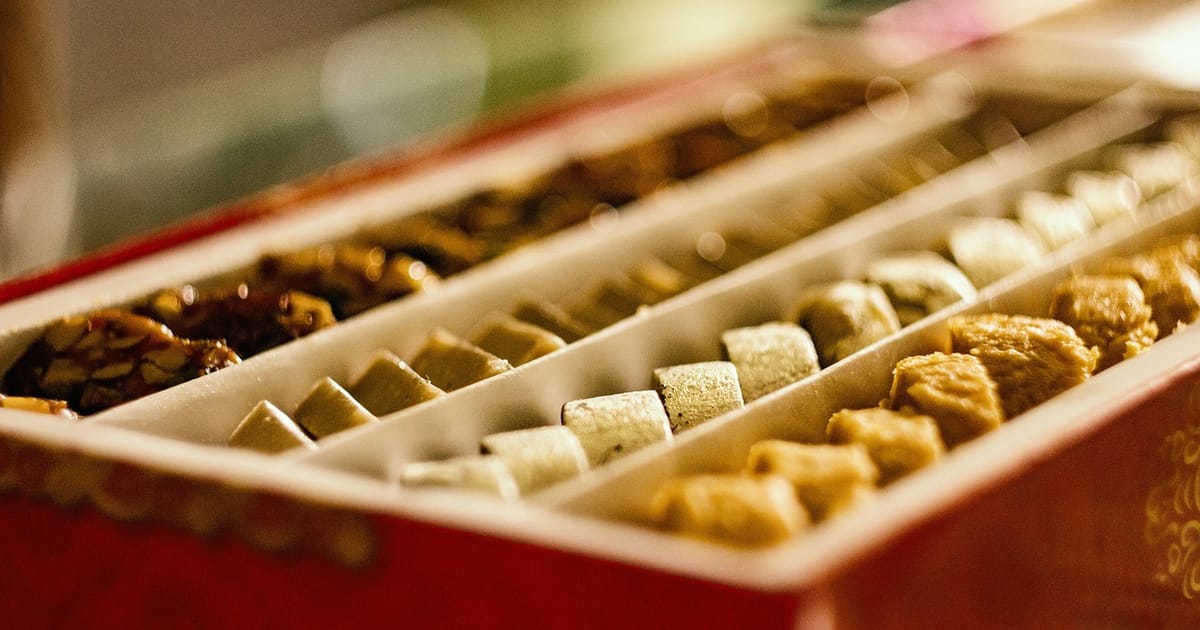
With sweets. A box of mithai or dry fruits is the classic gift. A tag reading शुभ दीपावली with your name, or सपरिवार शुभकामनाएँ from the whole family, is all you need.
Signing off. For elders, end with सादर (saadar, "respectfully") or प्रणाम (pranaam) before your name. For friends, just your name or a heart is fine.
Not a Hindi speaker? Sending a Hindi wish is a kind gesture, not a risk. Add an English line under it ("Happy Diwali to you and your family!") so it doesn't look copied without thought.
The festival season starts earlier, too. If you're writing for Navratri or Dussehra first, our Dussehra and Shubho Bijoya wishes cover those days.
Questions people ask
How do you say "Happy Diwali" in Hindi?
The standard phrase is दीपावली की हार्दिक शुभकामनाएँ (Deepawali ki hardik shubhkamnayein), "heartfelt good wishes for Diwali." Shorter options are शुभ दीपावली (Shubh Deepawali) and हैप्पी दिवाली, which is the English phrase written in Hindi letters.
Is it "Shubh Diwali" or "Shubh Deepawali"?
Both are correct. Deepawali is the fuller, older form of the word and sounds a little more formal. Diwali is the everyday form. On a printed card, Deepawali is the more common choice.
What does "shubhkamnayein" mean?
It means "good wishes": shubh (auspicious, good) + kaamna (wish), in the plural. Adding हार्दिक (hardik, "from the heart") makes it warmer, and मंगल (mangal, "auspicious") makes it more formal.
Can I send a Hindi Diwali wish if I don't speak Hindi?
Yes. A short standard phrase like शुभ दीपावली is safe and is usually appreciated. Stick to the five phrases in the table at the top, and add a line in English if you're not sure how it reads.