
Subho Bijoya, Dussehra & Navratri Wishes: 60 Messages for Oct 2026
60 original Navratri, Dussehra, Dasara, Shubho Bijoya and Dashain wishes for family, friends and coworkers, plus 2026 dates and which greeting to use.
By GreetingBirds EditorsPublished October 9, 202611 min read
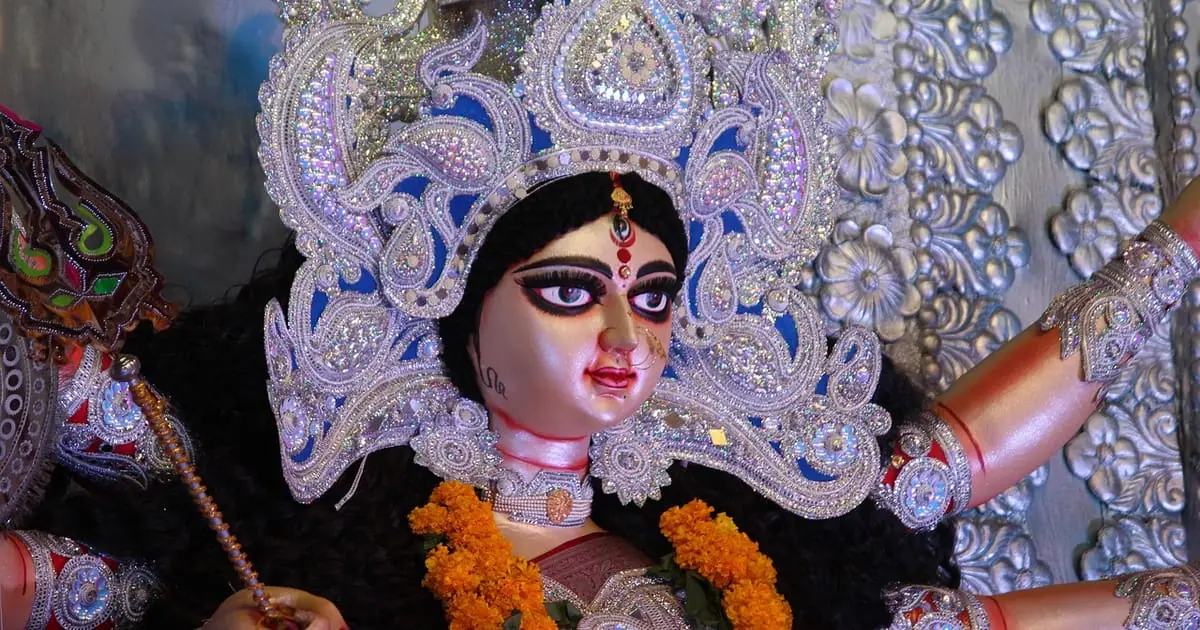
"Shubho Bijoya" means "auspicious victory." Bengalis say it to each other on the last day of Durga Puja, after the goddess has been carried to the river, and they keep saying it for days afterwards. Across the rest of India the same tenth day is Dussehra (or Dasara), in Nepal it's Dashain's tika day, and in every version it closes the nine nights of Navratri.
So one festival season produces five or six different greetings, and the right one depends on who you're writing to. This guide follows the 2026 calendar day by day, with 60 original messages you can copy, plus a short guide to which greeting fits which tradition and how to write your own.
The 2026 dates at a glance
| Day | 2026 date | What happens |
|---|---|---|
| Mahalaya | Sat, Oct 10 | The new-moon day that opens the Durga Puja season in Bengal |
| Navratri begins (Ghatasthapana) | Sun, Oct 11 | A sacred pot (kalash) is installed; nine nights of worship and, in Gujarat and beyond, garba |
| Durga Puja (Bengal) | Sat, Oct 17 to Wed, Oct 21 | Shashthi to Dashami: pandals, pujas, pandal-hopping |
| Dussehra / Vijayadashami | Tue, Oct 20 | Ravana effigies burned in the north; Ayudha Puja and new beginnings in the south |
| Bijoya Dashami (Bengal) | Wed, Oct 21 | Immersion of the idols, sindoor khela, "Shubho Bijoya" |
Sources: Wikipedia (Navaratri, Vijayadashami, Durga Puja) and the 2026 West Bengal puja calendar. Bengal's calendar runs a day behind the all-India one this year, so Bijoya Dashami falls on the 21st while most of India marks Dussehra on the 20th. Nepal's Dashain follows its own official calendar, so check the exact tika time locally.
Which greeting goes with which tradition
If you're writing to a friend or coworker from a tradition you don't share, matching their word for the day is the single easiest way to sound thoughtful.
| Greeting | Who usually says it | When to send it |
|---|---|---|
| Happy Navratri / Shubh Navratri | North and West India, Gujarati families | Any of the nine nights, most often on the first |
| Happy Dussehra / Happy Dasara | North India (Dussehra); Karnataka, Telangana, Andhra (Dasara) | Vijayadashami, Oct 20 |
| Happy Vijayadashami | All over India, slightly more formal | Oct 20; safe for work and clients |
| Shubho Bijoya | Bengali families | On Dashami (Oct 21) and in the days after |
| Happy Dashain / Bijaya Dashami ko hardik shubhakamana | Nepali families | Tika day and the rest of the festival |
| Happy Ayudha Puja / Happy Golu | Tamil Nadu, Karnataka, Kerala | Navami, the day before Vijayadashami |
Night one: messages as Navratri begins
The first day is when the kalash is set up and many families start fasting. These lines are gentle and a little devotional, the sort you'd send to parents, siblings or the family group chat.
- Wishing our whole family nine nights of peace, prayer and good food. Shubh Navratri!
- As the kalash goes up today, may it bring steadiness to our home and good health to everyone in it. Happy Navratri, Ma and Papa.
- Nine nights, nine forms of the Goddess, and one wish from me: that you feel her strength on the ordinary days too.
- Fasting, singing or just lighting a diya after work: however you mark Navratri, I hope it brings you calm.
- Happy first day of Navratri! May this season clear out the old worries and make room for good news.
- Thinking of you all as the festival starts. I'll light a diya here at the same time you do at home.
- May Maa Durga give you courage for the hard things and patience for the slow ones. Shubh Navratri to you and the kids.
Garba nights: Navratri wishes for friends
For friends, Navratri is also nine nights of dressing up and dancing, so these are light, playful and short enough for a text or a story.
- Nine nights of garba and I've already lost one dandiya stick. Happy Navratri! Save me a spot in the circle.
- Outfit planned, playlist ready, feet absolutely not ready. Happy Navratri, bestie!
- May your chaniya choli twirl wide and your phone battery last until the final round. Happy Navratri!
- Here's to late nights, loud dhol and not caring how we look dancing. Happy Navratri!
- Happy Navratri! Fasting today, dreaming about sabudana khichdi tonight.
- Whether you're on a garba ground or on your couch, I hope these nine nights feel like a celebration.
- To the friend who taught me the steps (badly): Happy Navratri. Same circle, same time?
- The new moon is behind us and nine nights are ahead. Let's make every one of them count. Happy Navratri!
Navami in the South: Ayudha Puja, Golu and first lessons
In much of South India the ninth day honors the tools of one's work (Ayudha Puja), and in Kerala the tenth day is when small children are formally started on their letters (Vidyarambham). Tamil families also set up Golu, a display of dolls on steps, through Navaratri. These wishes suit those customs.
- Happy Ayudha Puja! May the tools of your work, whether laptop, kitchen knife or delivery van, serve you well all year.
- On Ayudha Puja, thank you to every hand and machine that keeps our shop running. Wishing the whole team a prosperous year.
- Happy Saraswati Puja and Ayudha Puja. May every book and every tool bring you wisdom and work you're proud of.
- Wishing [child's name] a beautiful Vidyarambham. May the first letters written today lead to a lifetime of loving to learn.
- Happy Vijayadashami! It's the traditional day to begin something new, so good luck with yours.
- Happy Golu and Navaratri! Thank you for inviting us; your steps of dolls get better every year.
Dussehra day: respectful wishes for parents and elders
Dussehra celebrates Rama's victory over Ravana in the north and Durga's victory over Mahishasura elsewhere, which is why good over evil runs through most greetings. With elders, keep it warm and respectful and ask for their blessing rather than offering advice.
- Pranam on Dussehra. Thank you for every lesson about doing the right thing, even when it's the harder thing. Your blessings mean everything to me.
- Happy Dussehra, Dadi. May every illness stay as far from you this year as Ravana's luck ran out tonight.
- On the day good wins over evil, I'm grateful for all the goodness you've given this family. Happy Vijayadashami.
- Wishing you a Dussehra full of health, festival sweets and grandchildren who call more often.
- May Lord Rama's patience and Maa Durga's strength stay with you all year. Happy Dussehra, Papa.
- We'll be watching the Ravan dahan with you on video tonight. Happy Dussehra from all of us here.
- Happy Dasara, Amma and Appa. May this year give you as much peace as you've always given us.
Professional wishes for coworkers, teams and clients
At work, mention the festival by name, keep the religious language light, and don't assume everyone on the team celebrates. "To everyone celebrating" does that job neatly. This year Boss's Day (Oct 16) lands in the middle of Navratri, so if you're also writing to a manager, our Boss's Day wishes are worth a look.
- Happy Dussehra to everyone celebrating! Wishing you and your families a joyful festival and a well-earned break.
- Wishing our clients and partners a happy Dussehra. Thank you for a year of trust, and here's to new beginnings this season.
- Happy Dussehra, team. May every bug in the backlog go down as fast as Ravana's effigy tonight.
- Wishing you a happy Vijayadashami and success in everything you start this season.
- Happy Navratri and Dussehra to those celebrating. Enjoy the festivities; the inbox can wait until after the holiday.
- Warm wishes on Dussehra. May the months ahead bring good health and good results to you and your team.
- Shubho Bijoya to our Kolkata colleagues. We hope the pandal-hopping was worth the sore feet!
- Happy Dasara! Wishing you plenty of family time and a fresh start for the new quarter.
Shubho Bijoya: for Bengali family and friends
Bijoya Dashami is bittersweet. The idols are immersed, married women play sindoor khela (smearing vermilion on the goddess and on each other), and the crowd chants "Ashche bochor abar hobe", "it will happen again next year." Then come the visits: younger people touch elders' feet for blessings, friends embrace (kolakuli), and sweets go around. Good Bijoya messages hold both the farewell and the warmth.
- Shubho Bijoya! Maa has gone home to Kailash, but I hope she left her blessings with you for the whole year.
- Pranam, Jethu. Shubho Bijoya. Please bless us, and keep a plate of narkel naru aside for when we visit.
- Ashche bochor abar hobe! Shubho Bijoya to you and the whole family.
- The dhak has gone quiet and the pandals are coming down. Shubho Bijoya. I'm already counting the days to next year.
- Sending you a long-distance kolakuli this Bijoya. A hug on video still counts!
- Shubho Bijoya to my favorite pandal-hopping partner. Same route next year?
- May the red of today's sindoor khela keep your home bright all year. Shubho Bijoya, Boudi.
- Bijoya greetings and pranam to Kakima and Kaku. May Maa Durga keep you well until she comes back next autumn.
Happy Dashain: wishes for Nepali friends and neighbors
Dashain is Nepal's longest festival. On the main day, elders place tika (rice, yogurt and vermilion) and jamara (barley shoots grown for nine days) on younger relatives' foreheads and bless them. Kite-flying and big family meals are part of it too. If you know just one Nepali phrase, make it "Bijaya Dashami ko hardik shubhakamana", "heartfelt good wishes for Vijaya Dashami."
- Bijaya Dashami ko hardik shubhakamana! May the tika bring you blessings and the jamara a good harvest of luck.
- Happy Dashain! Wishing you long kite-flying afternoons and a house full of family.
- Happy Dashain to you and your family. May the blessings you receive today carry you through the whole year.
- Far from home this Dashain? Sending tika, jamara and plenty of love your way in spirit.
- Wishing our neighbors a joyful Dashain: a full table, plenty of guests and lots of laughter.
- Happy Dashain! May Durga's victory remind you that hard things can be beaten.
One-liners for a photo, status or story
Many people look for "Dussehra images" when what they really need is a line short enough to put on their own photo of a pandal, a diya or the family in festival clothes. These fit on one or two lines of an image.
- Good wins. Always. Happy Dussehra.
- Burn the ego, keep the light. Happy Dussehra!
- Nine nights. Endless strength. Shubh Navratri.
- Ashche bochor abar hobe. Shubho Bijoya.
- May every Ravana in your life go up in smoke tonight.
- Dandiya ready, heart full. Happy Navratri!
- Victory to light, truth and patience. Happy Vijayadashami.
- Tika on the forehead, blessings in the heart. Happy Dashain.
- Ten heads, one ending. Happy Dussehra.
- Maa came, Maa blessed, Maa will return. Shubho Bijoya.
Tip: use your own photo rather than a downloaded greeting image. Personal pictures get more replies, and you avoid sharing someone else's copyrighted artwork. A square crop works for WhatsApp status and Instagram; put the text in the top or bottom third so it doesn't cover faces.
Write your own in three lines
Ready-made lines are a fine start, but a message with one detail only you could know lands best. A simple formula:
- Name the day in their words: Shubho Bijoya, Happy Dasara, Happy Dashain.
- Add one real detail: the pandal you visited, the garba night, the sweets they make, the year they've had.
- End with a wish for the year ahead: health, a new start, a safe journey home.
Worked example: "Shubho Bijoya, Mashi! Your bhog khichuri was the best thing I ate during Puja. Wishing you good health until Maa comes back next year." Three sentences, one of them specific, and it reads like it came from a real person.
Small mistakes to avoid
Sending Bijoya greetings too early. "Shubho Bijoya" belongs to Dashami and after. During the puja days, "Shubho Pujo" or "Happy Durga Puja" fits better.
Turning a farewell into a party. For many Bengali families Dashami carries a little sadness. A line that admits it ("already missing Maa") often feels more right than pure celebration.
Mixing up the festivals. Diwali comes about three weeks later. A Diwali greeting on Dussehra reads as copy-paste.
Heavy religious language with clients. "Happy Vijayadashami, wishing you success in the season ahead" is respectful without assuming anyone's beliefs.
Forwarding the same image to everyone. If you must forward, add one personal line on top.
Timing, sweets and visits
When to send: Navratri wishes on the evening before or the morning of the first day; Dussehra wishes on the day itself, ideally before the evening effigy burning; Bijoya greetings on Dashami and for the days after. Late Bijoya greetings are normal, because the visiting season stretches on.
Elders first: in Bengali and Nepali families, call or visit the oldest relatives before you text friends. A phone call to a grandparent outranks the best-written message.
Gifts: sweets are the classic Dussehra and Bijoya gift. At work, a box shared with the whole team is easier than individual gifts. For a card, sign off with "With love and pranam" for elders, "Warm wishes" for colleagues, and just your name for friends.
Celebrating other festivals through the year? We also have Hindu New Year wishes in English and Holi wishes written the same way.
Questions people ask
What does Shubho Bijoya mean?
It's Bengali for "auspicious victory," referring to Durga's victory over the demon Mahishasura. People say it on Bijoya Dashami, the last day of Durga Puja, and in the days after, often while visiting relatives and sharing sweets.
How do you wish someone for Vijayadashami?
"Happy Vijayadashami" or "Happy Dussehra" plus a wish for success or a new beginning works for almost anyone. Use "Happy Dasara" for friends from Karnataka, Telangana or Andhra Pradesh, "Shubho Bijoya" for Bengalis and "Happy Dashain" for Nepali friends.
What is the main message of Dussehra?
The victory of good over evil: Rama's defeat of Ravana in the northern tradition, and Durga's defeat of Mahishasura in eastern and southern traditions. That's why so many Dussehra wishes talk about light, truth and fresh starts.
Is it Dussehra or Dasara?
Both. They're regional names for the same tenth day. Dussehra is the common North Indian spelling; Dasara is used in the South, especially Karnataka, where Mysuru's Dasara is famous.
When is Dussehra in 2026?
Tuesday, October 20, 2026, by the all-India calendar. In West Bengal, Bijoya Dashami falls a day later, on Wednesday, October 21.