Vietnamese New Year Wishes: What to Say on Each Day of Tết
Vietnamese New Year wishes for Tết 2027, sorted by who you visit: grandparents, kids, teachers, the boss. Each phrase with its meaning, plus Tết etiquette.
By GreetingBirds EditorsPublished October 19, 202614 min read
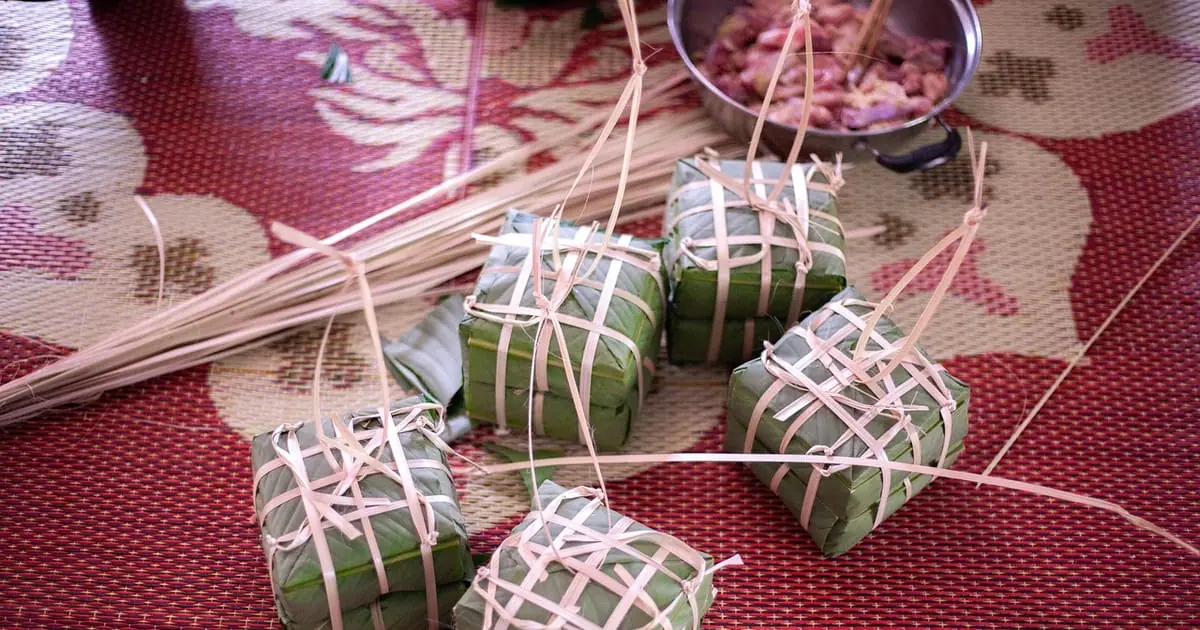
Tết, the Vietnamese Lunar New Year, begins on Saturday, February 6, 2027, the first day of the Year of the Goat (Mùi). The greeting everyone uses is Chúc mừng năm mới, which means "happy new year" (literally, "congratulations on the new year"). After that, a Vietnamese New Year wish is built to fit the person: long life for grandparents, health for parents, growing up strong for children, success for a boss. Say the greeting, then add one wish chosen for them.
Five wishes you can send right now:
- Chúc mừng năm mới! Happy New Year! (works for anyone)
- Vạn sự như ý. May everything go the way you wish.
- An khang thịnh vượng. Security, good health and prosperity.
- Wishing you and your family a peaceful, healthy Tết and a Year of the Goat full of good news.
- Chúc mừng năm mới! May the new spring bring health to your home and luck to everything you start.
Tết is not one day of greetings but a sequence of visits, and Vietnamese families have a saying for the order: "Mùng 1 Tết cha, mùng 2 Tết mẹ, mùng 3 Tết thầy", the first day for the father's side, the second for the mother's side, the third for teachers. This guide follows that order, so you can find the right words for whoever is in front of you, in Vietnamese with meanings, or in English for a card or text.
Chúc Mừng Năm Mới: The Greeting, Its Meaning and How to Say It
Chúc mừng năm mới breaks down simply: chúc means "to wish," mừng means "glad" or "joyful" (together, chúc mừng is "to congratulate"), năm is "year" and mới is "new." It is the standard line when you arrive at someone's home during Tết, right after the midnight countdown, and on every card and banner. It suits family, friends, coworkers and your boss alike.
A rough English sound guide is "chook mung nahm moy". Vietnamese is tonal, so this only gets you close; nobody will mind, and people are usually delighted that you tried. If you want to hear it, ask a Vietnamese friend to say it once. That alone is a nice way to open a conversation about their family's Tết.
Two other greetings you will see:
- Năm mới vui vẻ ("happy new year," with vui vẻ meaning "happy"). Lighter and more casual, good for friends and text messages.
- Cung chúc tân xuân ("respectful wishes for the new spring"). Formal and traditional; you will find it printed on red banners, envelopes and business cards more often than said aloud.
Twelve Tết Wishes and What They Literally Say
Most Vietnamese New Year wishes are short set phrases, often four words long, and many come from Sino-Vietnamese. Pick the one that matches the person; the literal meaning tells you why it fits.
| Vietnamese | Literal meaning | Best for |
|---|---|---|
| Vạn sự như ý | May ten thousand things go as you wish | Anyone |
| An khang thịnh vượng | Security, good health and prosperity | Anyone, cards, clients |
| Sức khỏe dồi dào | Plenty of health | Parents, older relatives |
| Sống lâu trăm tuổi | Live to a hundred | Grandparents (said by children) |
| Hay ăn chóng lớn | Eat well, grow fast | Small children |
| Phát tài phát lộc | Become rich and prosperous | Friends, business owners |
| Tiền vô như nước | May money flow in like water | Friends (informal, playful) |
| Làm ăn tấn tới | May your business move forward | Shop owners, entrepreneurs |
| Công thành danh toại | Success and the recognition you hoped for | Someone building a career |
| Thăng quan tiến chức | Rise in rank, get promoted | Coworkers, a boss (with a smile) |
| Năm mới toàn gia bình an | Peace for your whole family this year | A family, a household |
| Cung hỉ phát tài | Congratulations, and may you prosper | Anyone (same characters as Chinese "Gong xi fa cai") |
You will see sức khỏe also spelled sức khoẻ: both placements of the tone mark are in everyday use, so either is fine in a card.
New Year's Eve (Giao Thừa): Lines for the Countdown
Giao thừa is the moment the old year hands over to the new one at midnight. Families eat together, many watch fireworks, and the first wishes of the year are said at the stroke of twelve. Messages sent that night are short and joyful; long paragraphs can wait until the visits.
- Chúc mừng năm mới! Chúc cả nhà một năm mới bình an, hạnh phúc. Happy New Year! Wishing the whole family a peaceful, happy new year.
- Midnight, fireworks and everyone in one room: that's my favorite moment of the year. Happy New Year to all of you.
- The old year is out the door. May the new one walk in with health, laughter and a full table.
- Counting down with you from far away tonight. Chúc mừng năm mới, see you at the next Tết in person.
- Whatever was hard last year, we leave it with the old year. Here's to a lighter one.
- Happy giao thừa! May the first minutes of the Year of the Goat be the start of something good for you.
Day One: Wishes for Parents and Grandparents
The first day of Tết is for immediate family, and traditionally for the father's side. Children put on new clothes, greet their grandparents and parents with a New Year wish, and receive red envelopes of lucky money in return. Respect matters most here, so wishes focus on health and long life rather than money.
A detail that trips up learners: the word you use for yourself changes with who you're speaking to. To grandparents you are cháu (grandchild); to your parents you are con (child).
- Cháu chúc ông bà năm mới mạnh khỏe, sống lâu trăm tuổi. Grandpa, Grandma, I wish you good health in the new year and a life of a hundred years.
- Năm mới, con chúc ba mẹ dồi dào sức khỏe, vui vẻ bên con cháu. New year, I wish you, Dad and Mom, plenty of health and happy days surrounded by your children and grandchildren.
- Năm mới, con chúc ba mẹ an khang thịnh vượng. New year, I wish you, Dad and Mom, security, good health and prosperity.
- Grandma, every Tết starts at your table. Wishing you health, easy days and many more springs with all of us.
- Mom and Dad, thank you for another year of everything. May this one give you rest, good health and a little less worry about us.
- Grandpa, may the Year of the Goat bring you strong knees, good tea and grandchildren who visit more often. We'll work on that last one.
- To my parents-in-law: thank you for welcoming me into your family's Tết. Wishing you health and peace all year.
- Bà ơi, I'm sorry I can't be home this year. I'm sending all my love and every wish for your health. Chúc mừng năm mới.
Lì Xì: What Children Say, and What to Write on the Envelope
Red envelopes of lucky money are called mừng tuổi ("happy age") in the North and lì xì in the South. Traditionally everyone was counted one year older at Tết, so children wish their elders long life and health, and the elders answer with an envelope and a wish of their own. If you are the one handing out envelopes, a short line said out loud or written on the envelope makes it more than money.
For a child to say (or practice) before receiving an envelope:
- Cháu chúc ông bà sống lâu trăm tuổi. I wish you, Grandpa and Grandma, a hundred years of life.
- Con chúc ba mẹ năm mới vui vẻ, mạnh khỏe. I wish you, Mom and Dad, a happy and healthy new year.
For an adult to say or write when giving lì xì:
- Năm mới, chúc con hay ăn chóng lớn. New year, I wish you (my child) to eat well and grow fast.
- Chúc cháu hay ăn chóng lớn, học giỏi, ngoan ngoãn. Eat well, grow fast, do well at school and be good.
- For a teenager: "Good luck in your exams this year. Spend a little, save a little, and enjoy the rest."
- For a college student: "One more year closer to graduation. We're proud of you. Buy yourself something good to eat."
- For a new baby's first Tết: "Your very first lucky money. May your whole life be this full of people who love you."
Day Two: Wishes for the Mother's Side, Friends and Neighbors
The second day traditionally goes to the mother's side of the family, and in practice it is also when many people visit friends. The tone loosens: you can be warm, funny, and a little bit greedy on your friend's behalf. This is where wishes for money and luck sound natural.
- Chúc mừng năm mới! Chúc bạn vạn sự như ý. Happy New Year! May everything go your way.
- Năm mới vui vẻ nha! Happy New Year! (casual, the way you'd say it to a friend in the South)
- Tiền đầy túi, tình đầy tim. Pockets full of money, heart full of love.
- Năm mới, chúc anh chị an khang thịnh vượng, vạn sự như ý. New year, I wish you (an older friend or couple) health, prosperity and everything you wish for.
- Bánh chưng at your place again this year? Then my Tết is already lucky. Happy New Year, friend.
- May your money flow in like water and your worries flow out the same way. Chúc mừng năm mới!
- To the neighbors who always wave from the balcony: wishing your whole family health and a peaceful year.
- Same group chat, new year. May this one bring all of us fewer deadlines and more trips together.
- Thinking of your family this Tết, especially your mom. Please tell her I wish her a strong, healthy year.
Day Three: Wishes for Teachers
The third day is set aside for teachers, who hold a place of real respect in Vietnamese culture. Students visit former teachers, bring a small gift, and say a formal wish. Students refer to themselves as em when speaking to a teacher; thầy is a male teacher and cô a female teacher.
- Năm mới, em chúc thầy cô dồi dào sức khỏe, hạnh phúc. New year, I wish you, my teachers, plenty of health and happiness.
- Thank you for your patience with us last year. Wishing you a restful Tết and a healthy, happy Year of the Goat.
- Many years after your class, I still use what you taught me. Chúc mừng năm mới, and thank you.
- From a parent: thank you for everything you do for our daughter. Wishing you and your family a peaceful Tết.
- To my Vietnamese teacher: this card is my homework. Chúc mừng năm mới! I hope I spelled it right.
Back at Work: The Boss, Coworkers and Clients
At work, Tết wishes are usually exchanged at the last meeting before the holiday or on the first day back. Keep them warm but professional; wishes for career success fit here, and "thăng quan tiến chức" (get promoted) gets a smile when said to a colleague. For more lines for managers, see our New Year greetings for a boss.
- Năm mới, chúc anh chị công việc thuận lợi. New year, I wish you (colleagues) smooth work.
- Chúc sếp năm mới thăng quan tiến chức. Boss, may you be promoted in the new year. (friendly, for a boss you joke with)
- Chúc quý khách năm mới an khang thịnh vượng. Wishing our valued customers security, health and prosperity in the new year.
- Năm mới, chúc anh chị làm ăn tấn tới, phát tài phát lộc. New year, may your business move forward and prosper (for a business owner or partner).
- Thank you for leading us through a busy year. Wishing you and your family a restful Tết and a strong year ahead.
- To the team: enjoy the break, eat too much bánh chưng, and come back ready for the Year of the Goat.
- Dear clients, thank you for your trust this year. Our whole team wishes you a peaceful Tết and a prosperous new year.
- Happy Lunar New Year to my Vietnamese coworkers. I hope you get the long visit home you've been waiting for.
For a Partner, or Someone Celebrating Far Away
Tết is about coming home, which makes it hard for anyone who can't. Many Vietnamese families abroad celebrate in their own neighborhoods, and many people in Vietnam spend Tết away from a partner who works elsewhere. These lines lean personal.
- Chúc em năm mới luôn xinh đẹp và hạnh phúc. Wishing you (my girlfriend or wife) a new year of always being beautiful and happy.
- Năm mới, anh chỉ mong có em bên cạnh. In the new year, all I want is you beside me (from him to her).
- My favorite Tết tradition is now you. Happy New Year, my love.
- Your first Tết with my family: thank you for eating everything Grandma put on your plate. Chúc mừng năm mới.
- Chúc cả nhà năm mới bình an. Wishing everyone at home a peaceful new year. (good for a message to the family group chat when you can't travel)
- Different time zone, same wish: health for Mom and Dad, and lucky money for every cousin. I'll be home next Tết.
- To my friend celebrating far from home: I hope you found good bánh chưng and better company. Happy New Year.
Short Lines for Texts, Zalo and Photo Captions
For a message under a Tết photo, a family-chat sticker or an image you share on Zalo or Facebook, shorter is better. These fit on a picture.
- Chúc mừng năm mới! 🧧 (or without the emoji for an older relative)
- New spring, new luck. Happy Tết!
- Vạn sự như ý. Everything you wish, all year.
- Home for Tết. Nothing better.
- Peach blossoms, bánh chưng and everyone together.
- Health, peace and a little lucky money. Happy Lunar New Year!
- Year of the Goat, here we go. Chúc mừng năm mới!
Write Your Own Wish in One Line
Vietnamese New Year wishes follow a pattern you can reuse for anyone:
Năm mới, [I] chúc + [what you call them] + [one or two wishes].
Pick the words like this:
| Speaking to | Call them | Call yourself | A wish that fits |
|---|---|---|---|
| Grandparents | ông bà (ông = grandpa, bà = grandma) | cháu | sống lâu trăm tuổi |
| Parents | ba mẹ (or bố mẹ in the North) | con | dồi dào sức khỏe |
| Older man / older woman | anh / chị | em | vạn sự như ý |
| A teacher | thầy (male) / cô (female) | em | dồi dào sức khỏe, hạnh phúc |
| A child | con (your own) / cháu (a relative's) | ba, mẹ, cô, chú… | hay ăn chóng lớn |
| A friend your age | bạn | mình | phát tài phát lộc |
Worked example. You want to wish your friend's mother well when you visit on the second day. She is about your parents' age, so you call her cô (or bác if she is older than your own parents) and yourself cháu. Start with the greeting, then the pattern: "Chúc mừng năm mới! Năm mới, cháu chúc cô dồi dào sức khỏe." (Happy New Year! New year, I wish you plenty of health.) If you're writing in English, the same shape works: greeting, her name or title, one wish about health, and a thank-you for having you.
Tết Etiquette: What to Avoid
Much of Tết rests on the belief that how the year begins sets the tone for the rest of it. A few customs, as summarized in Wikipedia's Tết article from Vietnamese press sources, are worth knowing before you visit or send a message:
- Don't drop in uninvited on the first day. The first visitor of the year (xông đất, "first-footing") is believed to set the household's fortune, so families often choose that person in advance. Wait for an invitation or visit from the second day.
- Keep it harmonious for the first three days. Arguments, complaints and angry words are avoided; this is not the week to bring up an old disagreement, even by text.
- Skip gloomy topics. Talk of illness, death, debt and bad luck is out of place in a New Year wish. Many families pay off debts before Tết so they start the year clean.
- Don't sweep the floor at a host's home. Sweeping during Tết is considered unlucky, as if you were sweeping the luck away; houses are cleaned before the new year begins.
- If someone is in mourning, adjust. Families with a recent death traditionally don't visit others during Tết. A gentle private message ("Thinking of you this Tết; wishing your family peace") is kinder than a cheerful card.
Is Tết the Same as Chinese New Year?
They fall on the same day and share roots: the lunar new year came to Vietnam during the long period of Chinese rule, and wishes like Cung hỉ phát tài are the Vietnamese reading of the same four characters as Mandarin "Gong xi fa cai."But the greetings, food and customs are Vietnamese, and so is the zodiac: Vietnam has the Cat where China has the Rabbit (the last Cat year began on January 22, 2023). For 2027 both calendars agree on the Goat, called Mùi in Vietnamese.
If you are writing to Chinese friends too, our guides to Mandarin New Year greetings and Cantonese greetings cover their phrases. When you're not sure what someone celebrates, "Happy Lunar New Year" is the safe English choice.
Quick Answers
How do Vietnamese people say "Happy New Year"?
They say "Chúc mừng năm mới," roughly "chook mung nahm moy." Among friends, "Năm mới vui vẻ" is a lighter alternative.
What does "Chúc mừng năm mới" mean?
Literally "congratulations on the new year": chúc mừng means to congratulate, năm mới means new year. It is used the way English speakers use "Happy New Year."
How do you say "best wishes" in Vietnamese for Tết?
Use "Vạn sự như ý" (may everything go as you wish) or "An khang thịnh vượng" (security, good health and prosperity). Both are polite enough for anyone.
When is Vietnamese New Year 2027?
Tết 2027 begins on Saturday, February 6, 2027, with New Year's Eve on the night of Friday, February 5. It starts the Year of the Goat (Mùi).
Is it okay for a non-Vietnamese person to say "Chúc mừng năm mới"?
Yes. Coworkers, neighbors and friends are usually pleased to hear it, even with imperfect tones. Add a simple English wish if you want to say more.
Planning greetings for the Western new year too? Our New Year greetings from our family to yours has lines for cards from the whole household.
Sources checked October 19, 2026: Wikipedia, "Tết" (date table for 2027 and 2023, greetings list, customs on lì xì, first-footing, sweeping, mourning and the second and third days); Vietcetera, Vy Nguyen, "Tradition Explained: The First 3 Days of Tết in Vietnam" (the "mùng 1 Tết cha" saying); HowToVietnamese, "Happy New Year in Vietnamese" (word meanings, the "Năm mới, chúc…" pattern, casual phrases). All English messages and example sentences were written by GreetingBirds editors.