Happy New Year in German: Frohes Neues Jahr, Guten Rutsch and 21 Wishes
How to say Happy New Year in German: Guten Rutsch before midnight, Frohes neues Jahr after. Pronunciation, customs and 21 wishes with English translations.
By GreetingBirds EditorsPublished November 16, 20265 min read
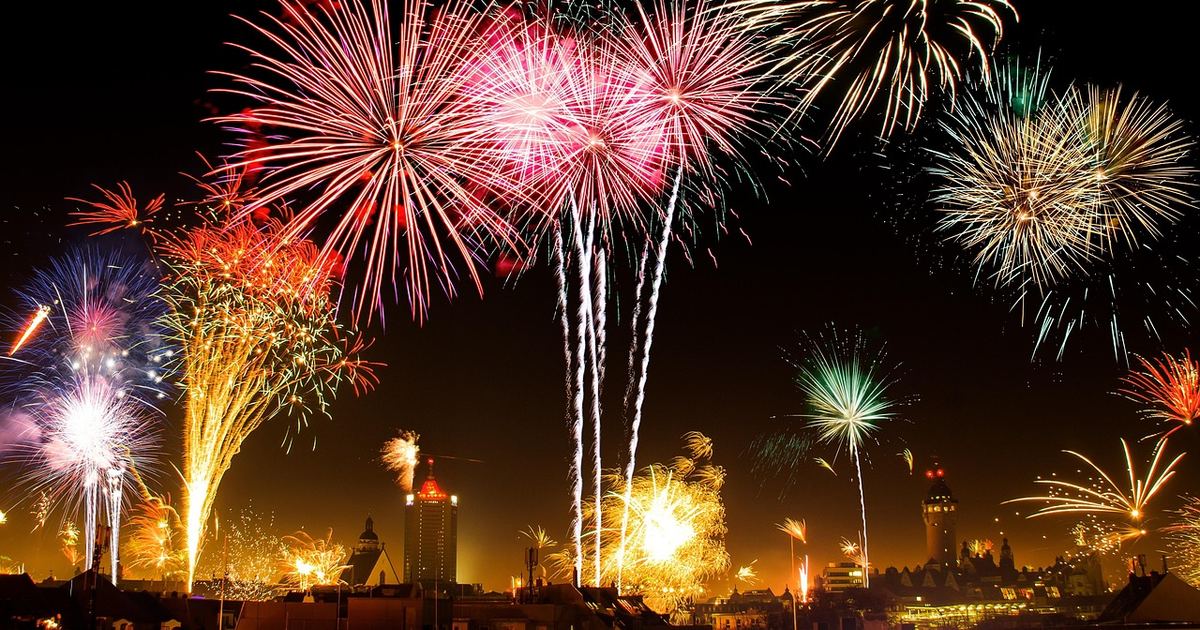
German has one New Year greeting for before midnight and another for after, and using the wrong one is the quickest way to show you learned the phrase from a list. The good news: once you know which is which, the rest is easy.
The short answer: "Happy New Year" in German is Frohes neues Jahr! (FROH-es NOY-es YAR). Until the clock strikes twelve on December 31, say Guten Rutsch! (GOO-ten ROOTCH) instead. Two messages ready to send:
- Frohes neues Jahr! Ich wünsche dir Glück, Gesundheit und viel Erfolg für 2027. Happy New Year! I wish you luck, health and lots of success for 2027.
- Ich wünsche Ihnen ein gesundes und erfolgreiches neues Jahr. I wish you a healthy and successful new year. (Formal.)
Below: a timeline of what to say when, the pronunciation, the customs behind the phrases, and 19 more messages written by our editors with English translations.
What to Say, and When
| When | German | Meaning |
|---|---|---|
| Late December until midnight on the 31st | Guten Rutsch! / Guten Rutsch ins neue Jahr! | "Have a good slide into the new year" |
| At midnight, glass in hand | Prost Neujahr! (also Prosit Neujahr!) | "Cheers to the New Year!" |
| From midnight and through early January | Frohes neues Jahr! | Happy New Year |
| Among friends, any time after midnight | Frohes Neues! | "Happy new one!" |
| In cards and emails | Alles Gute für 2027! / Ein gesundes neues Jahr! | All the best for 2027 / A healthy new year |
New Year's Eve itself is called Silvester, after St. Sylvester, whose feast day falls on December 31. So "at New Year's Eve" is an Silvester, and a New Year's Eve party is a Silvesterparty.
How to Pronounce the Three Main Phrases
- Frohes neues Jahr: FROH-es NOY-es YAR. The letters eu sound like "oy" in "boy", and the German J is an English Y.
- Guten Rutsch: GOO-ten ROOTCH, with the short u of "put". tsch is the "ch" in "church".
- Prost Neujahr: PROHST NOY-yar. The older form Prosit is PROH-zit.
The Customs Behind the Words
A few German New Year's Eve habits explain what people wish each other, and give you something to mention in a message.
- Sekt at midnight. Germans toast the New Year with a glass of Sekt, German sparkling wine, or champagne. That is the moment for "Prost Neujahr!"
- Fireworks. They are hugely popular, both in back gardens and at city displays. Consumer fireworks may only be sold on December 31 and the three days before it. Berlin's celebration at the Brandenburg Gate is among the largest in Europe.
- Lucky charms. A tiny marzipan pig is eaten for good luck, and touching a chimney sweep is said to bring luck and health. This is why "Viel Glück im neuen Jahr!" ("lots of luck in the new year") is such a common wish.
- Bleigießen. A fortune-telling game: molten metal is dropped into cold water and the shape it makes is read as a sign for the year ahead.
- Jam doughnuts. Jam-filled doughnuts are the traditional New Year's Eve treat.
- "Dinner for One". This short British comedy sketch has been shown on German television every New Year's Eve since 1972. Its catchphrase, "the same procedure as every year", is known to nearly everyone, and quoting it in a message to a German friend always gets a smile.
For Family and Friends (du and ihr)
- Guten Rutsch! Feiert schön und kommt gut ins neue Jahr. Have a good slide! Celebrate well and get into the new year safely.
- Frohes neues Jahr, Mama und Papa! Bleibt gesund. Happy New Year, Mom and Dad! Stay healthy.
- Ich wünsche dir für 2027 nur das Beste. I wish you nothing but the best for 2027.
- Auf ein neues Jahr voller schöner Momente! Here's to a new year full of lovely moments!
- Frohes Neues aus Chicago! Ich denke an euch. Happy New Year from Chicago! I'm thinking of you all.
- Danke für ein tolles Jahr mit dir. Auf das nächste! Thank you for a great year with you. Here's to the next one!
- Möge das neue Jahr dir Glück und Gesundheit bringen. May the new year bring you luck and health.
- Prost Neujahr, mein Schatz! Cheers to the New Year, my darling!
For Work, Clients and Formal Cards (Sie)
- Wir wünschen Ihnen einen guten Start ins neue Jahr. We wish you a good start to the new year.
- Vielen Dank für Ihr Vertrauen. Alles Gute für 2027! Thank you for your trust. All the best for 2027!
- Auf eine weiterhin gute Zusammenarbeit im neuen Jahr. Here's to continuing our good work together in the new year.
- Ihnen und Ihrer Familie ein glückliches und gesundes neues Jahr. A happy and healthy new year to you and your family.
- Mit den besten Wünschen zum Jahreswechsel. With best wishes for the turn of the year.
Short Lines for a Text
- Guten Rutsch! Have a good slide! (Before midnight.)
- Rutsch gut rüber! Slide over well! (A casual version for friends.)
- Prost Neujahr! Cheers to the New Year!
- Frohes Neues! Happy New Year! (Casual.)
- Alles Gute für 2027! All the best for 2027!
- Viel Glück im neuen Jahr! Lots of luck in the new year!
What to Say Back
To "Guten Rutsch!", answer Danke, dir auch! or, more fully, Danke, dir auch einen guten Rutsch! To "Frohes neues Jahr!", the all-purpose reply is Danke, gleichfalls! ("thanks, same to you"). With someone you address as Sie, say Danke, Ihnen auch!
Mistakes to Avoid
- "Guten Rutsch" on January 1. Once midnight has passed, switch to "Frohes neues Jahr".
- "Glückliches neues Jahr" as a spoken greeting. It is correct German and fine inside a longer card sentence, but on its own people say "Frohes neues Jahr".
- Mixing up Neujahr and neues Jahr. Neujahr, one word, is New Year's Day. Das neue Jahr is the year that is beginning.
Sending Christmas wishes as well? See Merry Christmas in German. For English lines, try New Year wishes for cards.
Common Questions About German New Year Greetings
How do you say Happy New Year in German?
"Frohes neues Jahr!", pronounced FROH-es NOY-es YAR. Before midnight on December 31, Germans say "Guten Rutsch!" instead.
What does Guten Rutsch mean?
Literally "good slide", short for "Guten Rutsch ins neue Jahr", a good slide into the new year. It is a wish for a smooth start and is only used in the days before midnight on December 31.
What is the difference between Prost Neujahr and Frohes neues Jahr?
"Prost Neujahr!" means "cheers to the New Year" and is what people say as they clink glasses at midnight. "Frohes neues Jahr!" is the general greeting, used from midnight and through the first weeks of January.
What is Silvester in Germany?
Silvester is the German name for New Year's Eve. December 31 is the feast day of St. Sylvester, a fourth-century pope, and the name of the saint became the name of the evening.
Sources for the customs and phrases described (Guten Rutsch, Prost Neujahr, Frohes Neues, Sekt, fireworks sales, the Brandenburg Gate celebration, Bleigießen, the chimney sweep, the marzipan pig, jam doughnuts, Dinner for One since 1972): the Wikipedia entries "New Year's Eve" and "Saint Sylvester's Day", checked November 2026. The German messages on this page were written by our editors.